
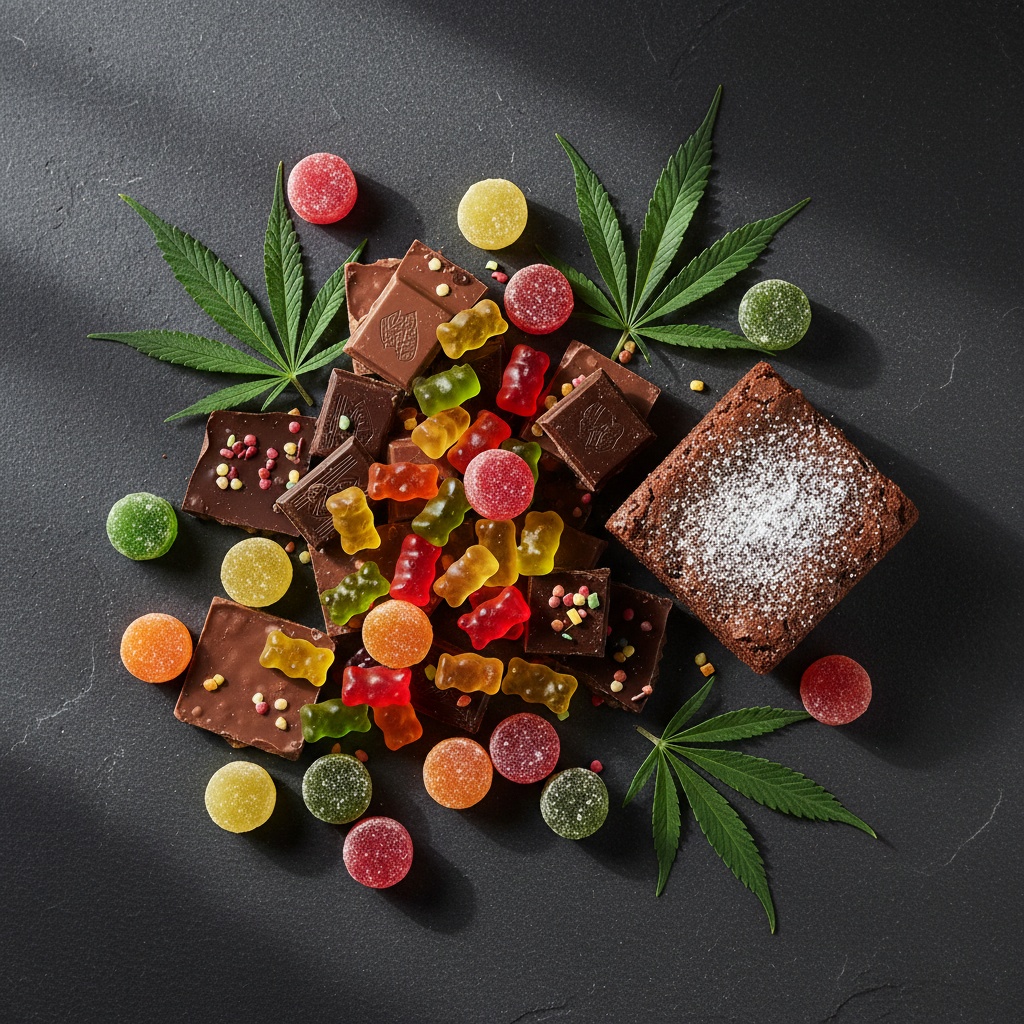
How Long Do Edibles Last? Storage Tips + Best Containers
Rolling Stoned
Edibles don't last forever — learn how long different types stay fresh and potent, the best ways to store them, and which containers actually keep your cannabis edibles at peak quality.
If you've ever found an old gummy tucked in a drawer and wondered is this still good? — you're not alone. Edibles do expire, but how quickly depends on the type of edible, how it's stored, and whether you're more concerned about freshness or potency.
Here's everything Florida medical marijuana patients need to know about edible shelf life, storage best practices, and the best containers to keep your stash in top shape.
Do Edibles Expire?
Yes — edibles expire just like any other food product. The cannabis infusion itself doesn't dramatically change the food's shelf life, so a weed gummy will go stale in roughly the same timeframe as a regular gummy. The same goes for infused brownies, chocolates, beverages, and hard candies.
All licensed dispensary edibles in Florida are required to display an expiration or best-by date on the packaging. Always check this before consuming a stored edible.
How Long Do Different Edibles Stay Fresh?
Shelf life varies quite a bit depending on the edible type:
Gummies
Shelf life: Up to 6–12 months (unopened), 1–3 months (opened)
Gummies are among the longest-lasting edibles thanks to their low moisture content and preservatives. Store them in a cool, dark place in an airtight container and they'll hold up well. Heat is the enemy — gummies melt and stick together easily.
Chocolates
Shelf life: 3–6 months
Infused chocolate bars and truffles can last several months if stored properly. Keep them away from heat and humidity, as chocolate blooms (that white, chalky coating) when temperature fluctuates — it won't hurt you, but it affects texture and taste.
Baked Goods (Brownies, Cookies, Cakes)
Shelf life: 3–7 days at room temp, 1–2 weeks refrigerated, up to 6 months frozen
Baked edibles are the most perishable. Homemade or dispensary brownies and cookies should be consumed within a week unless refrigerated. For long-term storage, the freezer is your best friend — wrap them tightly in plastic wrap and place in an airtight container before freezing.
Hard Candies & Mints
Shelf life: 6–12 months
Hard candies and mints have very low moisture content, making them one of the most shelf-stable edible options. They're a great choice if you want something that stores easily for extended periods.
Cannabis Beverages
Shelf life: Check the label — typically 3–12 months unopened
Infused drinks vary widely. Most are shelf-stable unopened, but once opened should be refrigerated and consumed within a few days, just like any other beverage.
Tinctures & Oils
Shelf life: 1–2 years
Cannabis tinctures and cooking oils are among the longest-lasting products. Stored properly in a cool, dark location, they can maintain potency for 1–2 years.
Do Edibles Lose Potency Over Time?
Yes — but slowly. THC degrades through a process called oxidation, where exposure to oxygen, light, and heat gradually converts THC into CBN (cannabinol), a mildly sedating compound with less psychoactive effect.
Generally speaking:
- 0–6 months: Potency should remain largely intact with proper storage
- 6–12 months: Mild potency degradation begins, effects may feel slightly weaker
- 12+ months: More noticeable potency loss, though the edible may still produce effects
The food spoiling is usually a bigger concern than THC degradation — if it smells off, has mold, or the texture is completely wrong, don't eat it regardless of the date.
Best Storage Tips for Edibles
1. Keep It Cool
Heat accelerates both food spoilage and THC degradation. Aim for storage temperatures below 70°F. Refrigerators work great for baked goods; a cool pantry or drawer works for gummies and chocolates.
2. Block Out Light
UV light degrades THC faster than almost anything else. Avoid storing edibles in transparent containers near windows. Dark or opaque containers are ideal.
3. Airtight Is Everything
Oxygen is THC's biggest enemy. Every time you open a container, you expose your edibles to air. Use airtight containers and squeeze out excess air from resealable bags before closing.
4. Control Humidity
Moisture causes mold and bacterial growth, especially in baked goods. Store edibles in dry conditions. A food-safe silica desiccant packet can help if you live somewhere humid (like Sarasota in summer).
5. Don't Mix Products
Store different edibles separately — strong-smelling gummies can affect the taste of chocolates, and moisture from one product can compromise another.
6. Use the Freezer for Long-Term Storage
If you buy in bulk during a good deal, freeze what you won't use within two weeks. Wrap items individually in plastic wrap, place in a freezer-safe airtight bag or container, and label with the date. Thaw in the refrigerator — not at room temperature — to avoid condensation.
Best Containers for Storing Edibles
Glass Mason Jars
The gold standard for cannabis storage. Glass doesn't absorb odors, doesn't leach chemicals, and creates an excellent airtight seal. Use dark or amber glass for extra light protection. Great for gummies, chocolates, and hard candies.
Smell-Proof Mylar Bags
Used by dispensaries for a reason — Mylar bags block light and are extremely airtight. Available in resealable options and perfect for flat items like chocolates or individually wrapped pieces.
Vacuum-Sealed Bags
If you're serious about long-term storage, vacuum sealing removes nearly all oxygen from the container. Ideal before going into the freezer.
Child-Resistant Dispensary Containers
Many dispensary containers are already designed for airtight, child-resistant storage. If the original packaging seals well, there's no need to transfer — just store the whole package in a cool, dark spot.
What to Avoid
- Plastic sandwich bags: Not airtight, allow odor transfer, degrade over time
- Clear plastic containers near windows: Light exposure degrades THC
- Metal tins without a liner: Can affect flavor over time
Florida-Specific Storage Tip
Sarasota's heat and humidity are brutal on edibles. During summer months (May–October), room temperature can easily hit 80°F+ inside homes without AC running constantly. If you leave edibles in a car, glove compartment, or a warm room, expect significant degradation in potency and freshness within days.
Best practice for Florida patients: Treat your edibles like you'd treat chocolate — if it's hot outside, refrigerate them.
Quick Reference: Edible Shelf Life Chart
| Edible Type | Room Temp | Refrigerated | Frozen | |---|---|---|---| | Gummies | 1–3 months | 3–6 months | Up to 1 year | | Chocolate | 3–6 months | 6–12 months | Up to 1 year | | Baked Goods | 3–7 days | 1–2 weeks | Up to 6 months | | Hard Candy | 6–12 months | 12+ months | Up to 2 years | | Tinctures | 1–2 years | 2+ years | N/A |
The Bottom Line
Edibles won't last forever, but with proper storage they'll stay fresh and potent far longer than most people expect. The key rules: cool, dark, airtight, and dry. Invest in a few good glass jars, keep your edibles out of the Florida heat, and always check the dispensary-stamped expiration date before consuming anything that's been sitting for a while.
For Florida medical marijuana patients, local dispensaries like Mint Cannabis, GrowHealthy, Curaleaf, and Trulieve all carry a wide variety of edibles — gummies especially — that are a great low-maintenance storage option for those who don't want to worry about spoilage.
Continue Exploring BudRover
Getting Started
Find Local Businesses
See Today's Florida Deals →
Compare current dispensary deals in your area on Bud Rover.
See Today's Florida Deals