
Willie Nelson and Cannabis: The Outlaw Country Legend Who Helped Change America's View of Marijuana
Rolling Stoned
How a small-town Texas musician became one of country music's greatest legends and one of cannabis culture's most respected voices.
Willie Nelson: The Outlaw Who Helped Change Cannabis Culture
"I've abused every substance known to man... except marijuana." — Willie Nelson
Few Americans have influenced both music and cannabis culture the way Willie Nelson has.
To millions, he's the unmistakable voice behind classics like On the Road Again, Blue Eyes Crying in the Rain, and Always on My Mind. To another generation, he's the smiling outlaw in a braided ponytail, passing along a message that's remained remarkably consistent for decades: cannabis should never have been treated like a crime.
Long before legalization became a political movement, Willie Nelson was openly discussing marijuana in interviews, concerts, and television appearances. At a time when many celebrities hid their cannabis use, Nelson treated it as just another part of his life. That honesty would eventually help reshape public opinion in ways few entertainers ever imagined.
Today, with medical marijuana legal across much of the United States and adult-use legalization continuing to expand, Willie Nelson stands as one of the most recognizable ambassadors for cannabis in modern history. Yet his story isn't simply about marijuana. It's about independence, authenticity, artistic freedom, and refusing to let public opinion dictate personal beliefs.
This is the story of how a small-town Texas musician became not only one of country music's greatest legends but also one of cannabis culture's most respected voices.
Growing Up in Texas
Willie Hugh Nelson was born on April 29, 1933, in Abbott, Texas, during the Great Depression.
Life wasn't easy.
His parents separated when he was young, leaving Willie and his older sister Bobbie to be raised primarily by their grandparents. Those early years shaped much of his personality—hard work, humility, and an appreciation for simple living.
Music entered his life almost immediately.
His grandparents encouraged him to play instruments and sing in church. By the age of six, he had written his first song. By ten, he was performing locally. Before graduating high school, he was already playing in dance halls throughout Texas, earning money while developing the style that would eventually make him famous.
Unlike many performers of his era, Nelson never sounded polished.
His voice cracked. He sang slightly behind the beat. His guitar playing ignored many traditional rules.
Ironically, those qualities became his greatest strengths. Listeners believed him because he sounded real.
That authenticity would later become just as important in cannabis culture as it was in country music.
The Road Before Stardom
Success didn't happen overnight.
Like countless musicians chasing a dream, Nelson worked a long list of ordinary jobs to pay the bills.
He served briefly in the U.S. Air Force, sold encyclopedias, worked as a disc jockey, and performed in small clubs whenever he had the opportunity.
During those years he also became one of Nashville's most respected songwriters.
Even before becoming a major recording artist himself, Willie Nelson had already written songs that became massive hits for other performers. Among them:
- "Crazy" — recorded by Patsy Cline
- "Night Life"
- "Funny How Time Slips Away"
- "Hello Walls" — recorded by Faron Young
His songwriting reputation grew rapidly, but record executives wanted him to sound like everyone else.
They wanted polished production. They wanted smoother vocals. They wanted him to fit Nashville's formula.
Willie Nelson wasn't interested.
That decision would eventually change country music forever.
The Birth of Outlaw Country
By the early 1970s, Nelson left Nashville and returned to Texas.
It proved to be one of the smartest decisions of his career.
Instead of allowing record labels to dictate every creative decision, he embraced artistic freedom. Long hair. Bandanas. Jeans. Concerts that blended country, rock, blues, and folk audiences together.
Alongside artists like Waylon Jennings, Kris Kristofferson, and Johnny Cash, Nelson became one of the defining faces of what would later be called Outlaw Country.
It wasn't simply a musical genre. It was a philosophy.
Do things your own way. Ignore unnecessary rules. Trust your audience.
That same philosophy naturally extended into his views on cannabis.
While marijuana remained illegal across most of America, Nelson viewed it less as a political issue and more as a question of personal freedom.
He wasn't trying to shock people. He simply refused to pretend he lived differently than he actually did.
That honesty resonated with fans. It still does.
Cannabis Enters the Story
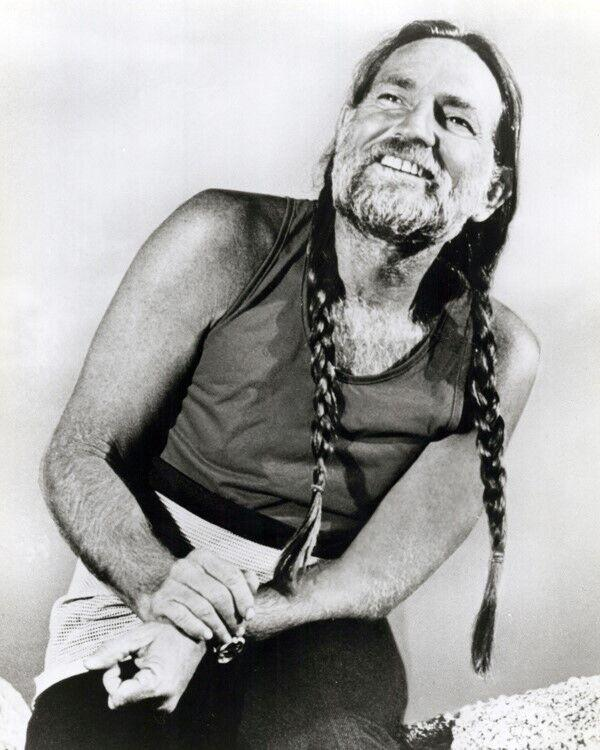
There isn't one defining moment when Willie Nelson discovered cannabis. Instead, it became part of a broader shift in his life during the late 1960s and early 1970s.
At the time, country music was changing. Rock musicians had already begun openly discussing marijuana, while Nashville remained far more conservative. Nelson found himself caught between two worlds. He respected country music's traditions but also embraced a growing counterculture that valued creativity, independence, and questioning old assumptions.
Friends introduced him to cannabis while touring, and Nelson has often said that it changed his perspective in ways alcohol never did.
One of the most famous stories in his career involves fellow country legend Hank Cochran, who reportedly encouraged Nelson to try marijuana after years of heavy drinking. Nelson has joked in numerous interviews that cannabis helped him reduce his alcohol consumption and ultimately became the healthier choice for him personally.
Over the decades, he has consistently maintained that marijuana never interfered with his songwriting or performances. Quite the opposite, he believes it helped him slow down, think differently, and appreciate life.
Whether people agree with that view or not, his openness made him one of the first major country artists willing to discuss cannabis honestly instead of hiding it.
Speaking Openly Before It Was Popular
Today it's common to hear actors, athletes, and musicians talk publicly about cannabis.
That wasn't the case in the 1970s.
Marijuana carried significant social stigma. Arrests were common, political rhetoric was harsh, and many public figures worried that even admitting to using cannabis could damage their careers.
Willie Nelson simply didn't seem interested in pretending.
Throughout interviews spanning several decades, he answered questions about marijuana with the same calm honesty that characterized the rest of his personality.
He never tried to present himself as an activist first. He presented himself as Willie.
That authenticity became one of his greatest strengths.
Instead of turning every interview into a debate, Nelson often responded with humor, personal stories, and common sense. Audiences who might have disagreed with him politically still found him difficult to dislike because he wasn't confrontational.
He simply lived his life openly.
Over time, that mattered.
Public opinion doesn't usually change because of one speech or one law. It changes because familiar, trusted people slowly normalize conversations that once seemed controversial.
Willie Nelson helped do exactly that.
The Arrests That Never Defined Him
Because of his openness, Nelson occasionally found himself on the wrong side of marijuana laws.
Several arrests over the years generated national headlines.
Ironically, those headlines often strengthened his public image rather than hurting it.
Fans saw someone who wasn't ashamed of who he was.
Rather than apologizing or attempting to reinvent himself after every incident, Nelson remained remarkably consistent.
He accepted responsibility, paid fines when required, joked about the situation, and kept making music.
That consistency became part of his brand.
As legalization expanded decades later, many people looked back and realized that Nelson had been making essentially the same argument for years.
Farm Aid: Helping America's Farmers
Although cannabis became one of the subjects most associated with Willie Nelson, it has never been his only cause.
One of the most important accomplishments of his life began in 1985 with the creation of Farm Aid.
Alongside Neil Young and John Mellencamp, Nelson helped organize a benefit concert to support struggling American family farmers during one of the country's most difficult agricultural crises.
What many people expected to be a one-time event became something much larger.
Farm Aid continues decades later, raising millions of dollars while advocating for family farms, sustainable agriculture, and rural communities.
For Nelson, the connection makes perfect sense.
Healthy soil. Independent farmers. Locally grown products. Community.
Those same values also overlap with much of today's legal cannabis industry, where many growers emphasize craft cultivation, environmental responsibility, and supporting local businesses.
Farm Aid reminds people that Willie Nelson's legacy extends far beyond cannabis. He has spent decades using his fame to support people whose voices often go unheard.
Willie's Reserve
As cannabis legalization expanded across the United States, many celebrities entered the industry.
Some launched products simply because legalization created a business opportunity.
Willie Nelson's approach felt different.
In 2015, he introduced Willie's Reserve, a cannabis brand inspired by decades of personal experience and his appreciation for high-quality cultivation.
Rather than simply putting his name on a package, Nelson emphasized working with growers who shared his values.
The brand focused on quality, responsible production, and celebrating cannabis culture instead of chasing trends.
For longtime fans, the launch felt less like a celebrity endorsement and more like a natural extension of everything Willie had been saying for decades.
He wasn't changing his message.
The country was finally catching up.
More Than a Musician
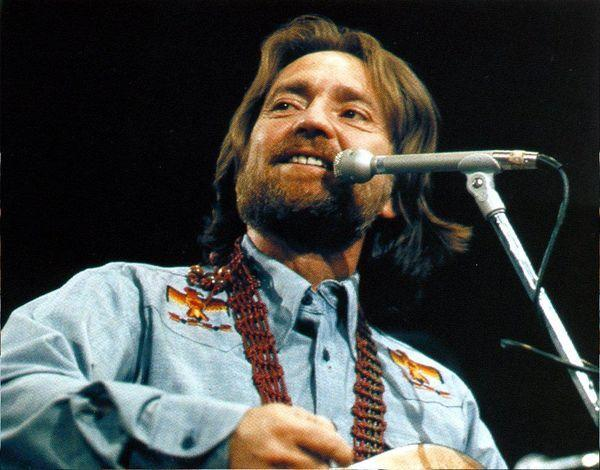
By the time cannabis legalization began spreading across the United States, Willie Nelson had already spent decades becoming one of the plant's most recognizable supporters.
Unlike many celebrity advocates, Nelson never appeared to change his position because public opinion shifted.
Public opinion shifted while Willie Nelson stayed the same.
That consistency earned him respect from supporters and critics alike.
As medical marijuana programs expanded across the country and adult-use legalization followed in many states, younger generations discovered something surprising: Willie Nelson had been talking about many of the same ideas long before they became politically popular.
For millions of Americans, he became proof that cannabis users didn't fit the stereotypes often portrayed in television and movies.
He was hardworking. Creative. Successful. Generous. A devoted father and grandfather. A philanthropist. An American icon.
His public image quietly challenged decades of misinformation simply by existing.
The Philosophy Behind the Plant
Throughout countless interviews, Nelson has rarely described cannabis as something rebellious.
Instead, he often talks about it in practical terms.
He has said it helped him relax. Helped him think. Helped him reduce his alcohol consumption. Helped him slow down enough to appreciate life.
Whether someone agrees with those views or not, what stands out is how consistently he has expressed them over the years.
He never tried to convince everyone to use cannabis. He simply believed adults should be free to make informed decisions for themselves.
That philosophy mirrors one of the broader themes found throughout his career.
Freedom.
Freedom to write songs his way. Freedom to leave Nashville. Freedom to speak honestly. Freedom to live authentically.
Those ideas helped define both his music and his advocacy.
Interesting Facts About Willie Nelson
Even lifelong fans are often surprised by some of these stories.
Trigger
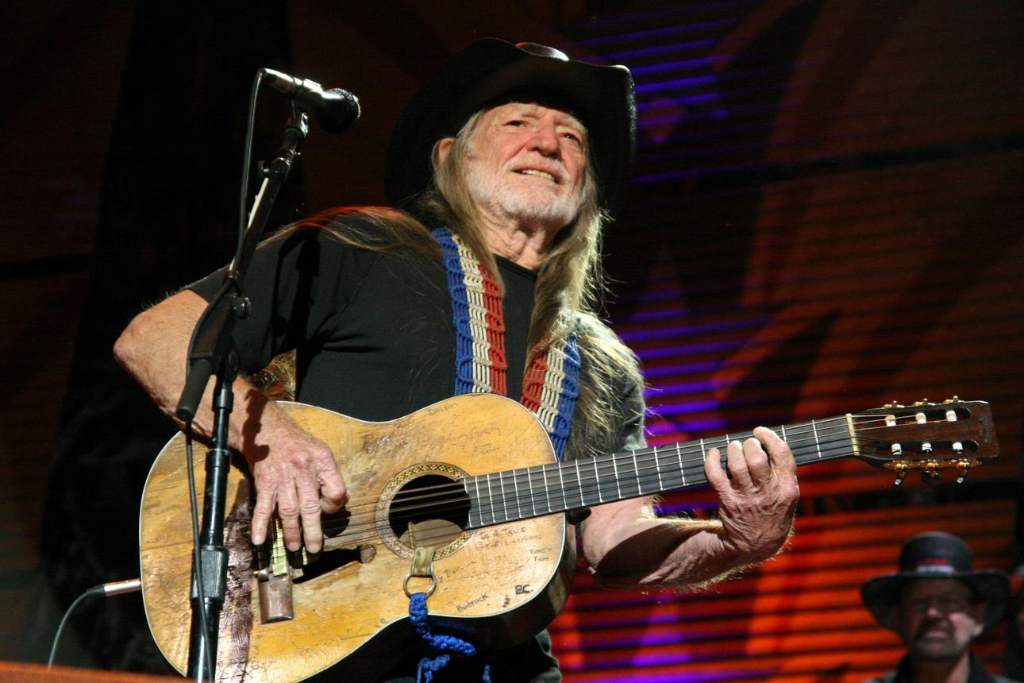
Willie Nelson's famous Martin N-20 guitar, affectionately known as Trigger, has been with him since 1969.
Named after Roy Rogers' horse, the guitar has accompanied him through thousands of performances and is instantly recognizable because of the large worn hole near the sound hole—a mark created by decades of playing.
Today, Trigger is considered one of the most famous guitars in American music history.
Over 70 Studio Albums
Depending on how compilations, collaborations, and live albums are counted, Willie Nelson has released well over 70 studio albums, with a career spanning more than six decades.
Few artists in any genre have maintained that level of creativity and longevity.
The Songwriter's Songwriter
Before many people knew Willie Nelson as a performer, Nashville already knew him as one of its greatest songwriters.
His compositions helped launch or elevate the careers of numerous country music legends, making him one of the most respected writers of his generation.
Farm Aid Continues Today
Nearly forty years after its founding, Farm Aid remains active, supporting family farmers through grants, education, disaster assistance, and annual benefit concerts.
It stands as one of the longest-running charitable music organizations in the United States.
Cannabis Never Became His Entire Identity
Although cannabis is closely associated with Willie Nelson today, it represents only one chapter of a much larger story.
His legacy includes music, agriculture, songwriting, philanthropy, activism, environmental awareness, and decades of charitable work.
That balance is one reason his influence has endured.
Why Willie Nelson Still Matters
Every generation has cultural figures who transcend entertainment.
Johnny Cash became larger than country music. Bob Marley became larger than reggae. Muhammad Ali became larger than boxing.
Willie Nelson became larger than country music.
He became a symbol of authenticity.
For cannabis culture, his contribution wasn't inventing a strain or creating a product. It was helping millions of Americans rethink who cannabis users actually are.
Instead of reinforcing stereotypes, Nelson represented responsibility, creativity, humor, compassion, and independence.
His influence can be seen everywhere—from legalization campaigns and cannabis entrepreneurs to musicians who now speak openly about marijuana without fearing career-ending consequences.
That cultural shift didn't happen because of one person. But Willie Nelson was unquestionably one of the people who helped make it possible.
Final Thoughts
Legends are remembered for more than awards.
They're remembered because they leave something behind that changes the people who come after them.
Willie Nelson's music will continue to inspire future generations. His work with Farm Aid continues to strengthen family farming. His songwriting remains part of America's musical heritage. And his decades-long willingness to speak honestly about cannabis helped move a once-taboo subject into the national conversation.
Whether readers know him as the voice behind "On the Road Again," the founder of Willie's Reserve, or simply the smiling man with a guitar named Trigger, one thing is clear.
Willie Nelson didn't follow culture.
He helped shape it.
That is why he remains not only one of country music's greatest icons, but also one of the most influential figures in the history of cannabis.
Further Reading: Willie Nelson's autobiography (It's a Long Story: My Life), Farm Aid official history and archives, The Library of Congress, Country Music Hall of Fame, PBS documentaries, Rolling Stone, Texas Monthly, NPR, and the Associated Press.
Continue Exploring BudRover
Getting Started
Find Local Businesses
See Today's Florida Deals →
Compare current dispensary deals in your area on Bud Rover.
See Today's Florida Deals