

Cannabis Legends: Berner & Cookies — How a Rapper Built the Apple of Cannabis
Rolling Stoned
How Berner and cultivator Jai turned a single strain into one of the world's most recognizable cannabis lifestyle brands.
Cannabis Legends: Berner & Cookies
How a Rapper and a Legendary Cultivator Built the Apple of Cannabis
Each built something much larger than the products themselves.
They created communities.
In the cannabis industry, few brands have achieved that level of recognition more successfully than Cookies.
Walk into a dispensary almost anywhere in the United States and chances are you'll recognize the unmistakable blue branding before you even see the products.
That recognition wasn't an accident.
It was carefully built over more than a decade by rapper, entrepreneur, and visionary Berner, alongside legendary cultivator Jai, through an obsessive focus on quality, genetics, branding, culture, and customer experience.
Cookies didn't become one of the world's largest cannabis brands because it sold flower.
It became successful because it made people want to belong.
This is the story of how Berner built what many consider the Apple of Cannabis.
Part One
Long Before Cookies
Before Cookies became an international cannabis brand, Gilbert Anthony Milam Jr.—better known as Berner—was building something far more valuable than a company.
He was building credibility.
Growing up in San Francisco, Berner was immersed in two worlds that would eventually define his career: music and cannabis.
Unlike many entrepreneurs who entered the legal cannabis market after legalization accelerated, Berner understood the culture long before it became mainstream.
He spent years developing relationships with cultivators, breeders, dispensary operators, and consumers.
At the same time, he was steadily building a following through his music career.
Those two audiences would eventually merge.
Most people thought Berner was creating fans.
In reality, he was creating a community.
That community would become one of Cookies' greatest competitive advantages.
Business Lesson #1
Community Before Customers
Many startups begin by asking:
"How do we sell more?"
Berner asked a different question.
"How do we build something people believe in?"
That's a subtle but powerful difference.
Communities create customers.
Customers rarely create communities.
The Birth of Cookies
Around 2008–2010, Berner partnered with renowned breeder Jai, whose work with the now-famous Girl Scout Cookies genetics would help spark a revolution in cannabis breeding.
The strain quickly gained attention for its unique aroma, potency, and balanced effects.
Consumers weren't just asking for "good weed."
They were asking specifically for Cookies.
That distinction matters.
When people begin requesting a product by name rather than by category, a brand is being born.
Berner recognized that opportunity early.
Instead of allowing Cookies to remain simply the name of a strain, he envisioned something much larger.
A lifestyle.
A retail experience.
An international brand.
A symbol of premium cannabis.
That vision would reshape the industry.
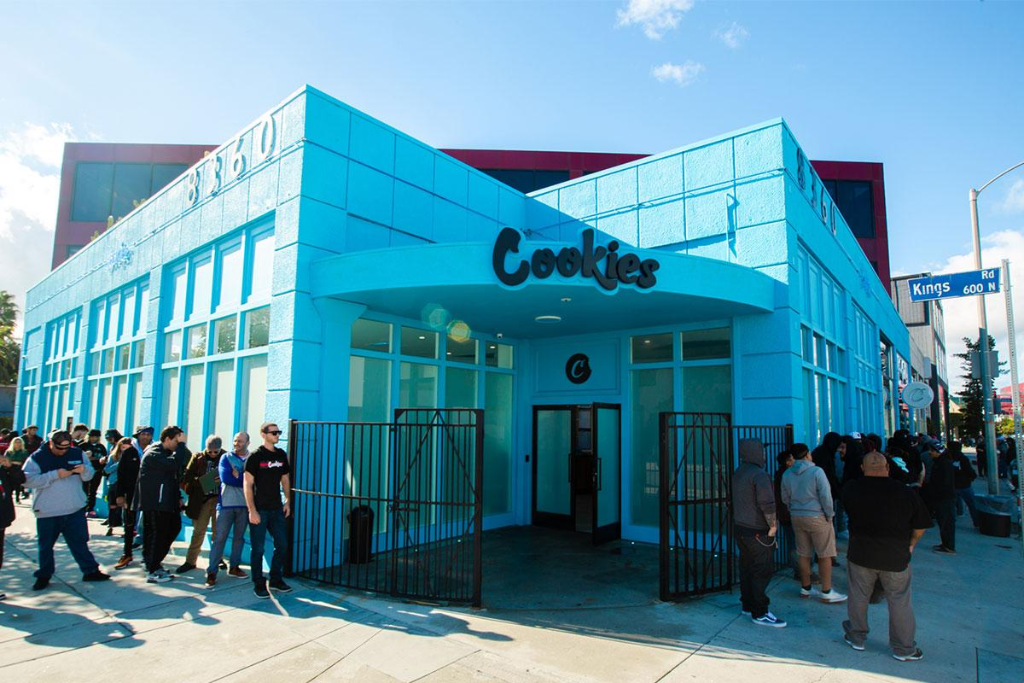
The Birth of Cookies
Every great company has an origin story.
For Apple, it was a garage.
For Nike, it was the trunk of a car.
For Cookies, it began with a strain that changed cannabis forever.
Around 2008, Berner partnered with legendary Bay Area cultivator and breeder Jai, whose work with what would become the Girl Scout Cookies genetic line was already creating excitement among cannabis connoisseurs.
The strain stood apart almost immediately.
Its aroma was unmistakable.
Its appearance was striking.
Its potency surprised even experienced consumers.
Word spread rapidly throughout California.
People weren't walking into dispensaries asking for "something strong."
They were asking specifically for Cookies.
That difference changed everything.
When consumers begin requesting a product by name rather than by category, a brand has started to form.
Berner recognized that opportunity long before most entrepreneurs would have.
Instead of viewing Cookies as simply another successful strain, he envisioned something much larger.
He saw the possibility of creating a global cannabis lifestyle brand.
More Than Great Genetics
Many cannabis companies have access to excellent flower.
Very few become household names.
That's because quality alone rarely builds billion-dollar brands.
Branding does.
Berner understood that cannabis consumers weren't just looking for THC percentages.
They wanted stories.
Identity.
Community.
Consistency.
Trust.
Cookies began delivering all five.
Every strain release carried a story.
Every collaboration had a purpose.
Every flagship location reinforced the same visual identity.
Consumers knew exactly what Cookies represented before they ever walked through the front door.
That level of consistency is incredibly difficult to achieve.
Business Lesson #2
Great Products Bring Customers Once
Great brands bring them back.
Thousands of growers can produce premium flower.
Very few companies convince customers to wear their logo.
When consumers proudly buy hoodies, hats, shirts, and accessories featuring your brand, you've moved beyond selling products.
You've created a community.
That's exactly what Cookies accomplished.
Building the Blue Brand
One of the first things people notice about Cookies is the color.
Bright blue.
Simple.
Clean.
Recognizable from across the room.
That wasn't an accident.
Color psychology has been used by major companies for decades.
Tiffany & Co. has Tiffany Blue.
UPS owns Brown.
John Deere owns Green.
Coca-Cola owns Red.
Cookies became synonymous with its signature blue.
The branding remained remarkably consistent across stores, packaging, apparel, digital marketing, and merchandise.
Consumers didn't have to read the logo.
Eventually, they recognized the color alone.
That's the hallmark of a mature brand.
Retail That Felt Different
Walk into a flagship Cookies dispensary and you'll notice something immediately.
It doesn't feel like the stereotypical dispensary of the early 2010s.
The stores are bright.
Modern.
Minimalist.
Professional.
Products are displayed thoughtfully.
Merchandise is integrated into the shopping experience.
The atmosphere feels more like visiting a premium sneaker boutique or an Apple Store than an old-school smoke shop.
That wasn't just good interior design.
It was strategic branding.
Berner understood that every customer interaction shapes perception.
The store itself became part of the product.
Business Lesson #3
Every Detail Is Marketing
Many businesses think marketing ends once customers walk through the door.
Great brands know it has only begun.
Lighting.
Music.
Employee knowledge.
Packaging.
Cleanliness.
Customer service.
Store layout.
Every detail communicates something about the brand.
Cookies invested heavily in those details.
Customers noticed.
The Rise of Cannabis Merchandise
Perhaps one of Berner's smartest business decisions had nothing to do with cannabis itself.
He built apparel people genuinely wanted to wear.
Long before many cannabis companies offered clothing, Cookies released hoodies, hats, jackets, and accessories that appealed even to people who had never visited a dispensary.
The merchandise wasn't simply promotional.
It became part of streetwear culture.
That's significant.
Most companies hope customers will advertise for them.
Cookies created clothing people purchased because they liked the design—not because they wanted a free promotional item.
In doing so, every customer became a walking advertisement for the brand.
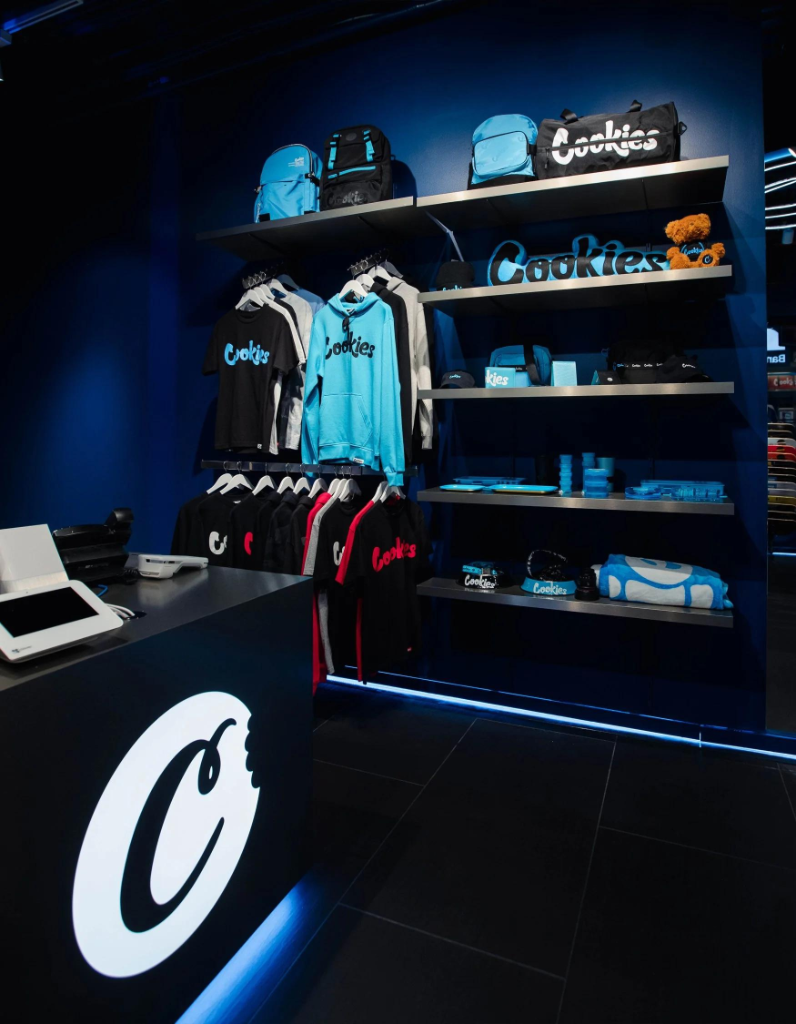

The Business Strategy: How Berner Turned Cannabis Into the Apple of Cannabis
Most cannabis companies compete on one thing: the flower.
Berner competed on the brand.
Long before most dispensaries invested in professional marketing, Cookies was building a recognizable identity. The company didn't just sell cannabis—it sold an experience. Every touchpoint, from the blue logo and premium packaging to the retail stores and apparel, reinforced the same message: Cookies was a premium product.

This strategy is one reason many people in the cannabis industry compare Cookies to Apple.
Apple doesn't simply sell phones. It sells design, simplicity, trust, and status. Customers recognize an Apple product before they even pick it up. Berner applied a similar philosophy to cannabis by creating a company people could recognize instantly, whether they were looking at a hoodie, a jar, a billboard, or a flagship dispensary.
Instead of chasing short-term trends, Cookies focused on consistency. Every new store carried the same visual identity. Every product launch felt intentional. Every collaboration supported the larger brand rather than distracting from it.
That level of consistency is rare in an industry where many businesses constantly change logos, packaging, or messaging.
Licensing Instead of Owning Every Store
One of Berner's smartest business decisions wasn't opening hundreds of stores himself.
It was licensing the Cookies brand.
Rather than investing enormous amounts of capital into building and operating every retail location, Cookies partnered with experienced operators in legal cannabis markets. Those partners handled much of the local infrastructure while Cookies provided the branding, operating standards, genetics, and customer experience.
This approach allowed the company to expand much faster than many competitors while maintaining a recognizable identity across different markets.
Today, Cookies-branded stores can be found in numerous U.S. states and international markets, making it one of the most widely recognized cannabis retail brands in the world.
Building a Community Instead of Just Customers
One of Cookies' greatest strengths is the loyalty of its community.
Fans proudly wear Cookies apparel, collect limited-edition merchandise, follow strain releases, and visit flagship stores while traveling. Many customers feel connected to the brand in a way that goes beyond buying cannabis.
That loyalty wasn't created through massive television advertising campaigns.
It was built through years of authenticity.
Berner remained highly visible on social media, continued releasing music, visited stores, met customers, promoted growers, and consistently reinforced the company's culture. Rather than separating himself from the brand, he became one of its strongest ambassadors.
This direct connection helped Cookies grow organically through word of mouth, social media, and community engagement.
Lessons Entrepreneurs Can Learn from Berner
Berner's success offers valuable lessons that apply far beyond the cannabis industry.
Build a recognizable brand before chasing rapid expansion. Protect quality as your business grows. Create a community, not just a customer base. Think globally, even if you're starting locally. Invest in intellectual property, branding, and reputation—not just products. Stay authentic. Customers notice when a brand remains true to its identity.
These principles have helped Cookies remain one of the industry's most influential companies through changing regulations, increased competition, and a rapidly evolving marketplace.
Berner's Lasting Legacy
Berner's influence reaches far beyond music or cannabis genetics.
He demonstrated that a cannabis company could become a globally recognized lifestyle brand with the same attention to branding, customer experience, and culture seen in some of the world's most admired consumer companies.
Whether someone first encounters Cookies through a dispensary, a hoodie, a music video, or a flagship retail store, they're interacting with a brand built on consistency and long-term vision.
As the legal cannabis industry continues to mature, many entrepreneurs are following a path Berner helped define: build a brand people believe in—not just a product people buy.
For aspiring cannabis entrepreneurs, Cookies stands as a reminder that the strongest businesses are often built on trust, identity, and community as much as on the products themselves.
Beyond Cannabis: Berner's Influence on Modern Entrepreneurship
Berner's story has become a case study in modern entrepreneurship because he proved that branding can create value far beyond the product itself.
Many successful companies can produce quality products. Far fewer create brands that people proudly represent.
When someone wears a Cookies hoodie, they're not advertising a specific cannabis strain—they're identifying with a culture. That distinction is what separates brands from products.
Today's entrepreneurs often study companies like Apple, Nike, Supreme, and Red Bull because they understand how to build communities around their products. Berner brought many of those same branding principles into an industry that, for years, focused almost exclusively on cultivation and THC percentages.
A New Standard for Cannabis Retail
Before companies like Cookies emerged, many dispensaries looked and felt similar. Branding was inconsistent, packaging varied widely, and shopping experiences often lacked polish.
Cookies helped raise expectations.
Modern cannabis consumers increasingly expect:
Clean, premium store designs Professional and knowledgeable staff Attractive product packaging Consistent branding Exclusive product drops Merchandise and lifestyle products Educational resources alongside products
These expectations have influenced competitors across the industry, encouraging many dispensaries to invest more heavily in customer experience and brand identity.
The Importance of Intellectual Property
One of the most valuable assets Cookies owns isn't a building or a cultivation facility—it's its intellectual property.
The company has invested heavily in trademarks, proprietary branding, strain names, logos, packaging, and exclusive genetics. In a competitive industry, these intangible assets can become just as valuable as physical operations.
Popular strains associated with Cookies have become recognizable names among consumers, helping the brand maintain strong recognition even as the market continues to evolve.
For entrepreneurs, this highlights an important lesson: protecting your ideas, brand, and reputation can create long-term value that extends well beyond any single product launch.
Looking Toward the Future
The cannabis industry is still in its early stages compared to other consumer markets.
As legalization expands and regulations continue to evolve, companies with strong brands are likely to have a significant advantage. Consumers often gravitate toward names they recognize and trust, particularly in rapidly growing industries.
Cookies appears well positioned for continued growth through:
Expansion into new legal markets New retail locations Continued apparel and merchandise development Strategic licensing partnerships Brand collaborations New genetics and product innovation
While no company is guaranteed long-term success, Cookies has built a foundation that extends beyond any individual product cycle.
Final Thoughts
Few individuals have shaped modern cannabis branding as profoundly as Berner.
His journey—from independent musician to founder of one of the world's most recognizable cannabis brands—demonstrates the power of combining creativity, business strategy, and authenticity.
Rather than simply following industry trends, Berner helped redefine how cannabis companies think about branding, retail, customer loyalty, and culture. His influence can be seen not only in Cookies stores but across countless businesses that now prioritize design, storytelling, and community alongside product quality.
As legal cannabis continues to expand around the world, Berner's legacy will likely be measured not only by the success of Cookies but also by the standards he helped establish for the industry.
For anyone interested in cannabis entrepreneurship, branding, or business innovation, the rise of Cookies offers a compelling example of how a clear vision and consistent execution can transform a startup into a globally recognized name.
Continue Exploring BudRover
Getting Started
Find Local Businesses
See Today's Florida Deals →
Compare current dispensary deals in your area on Bud Rover.
See Today's Florida Deals