
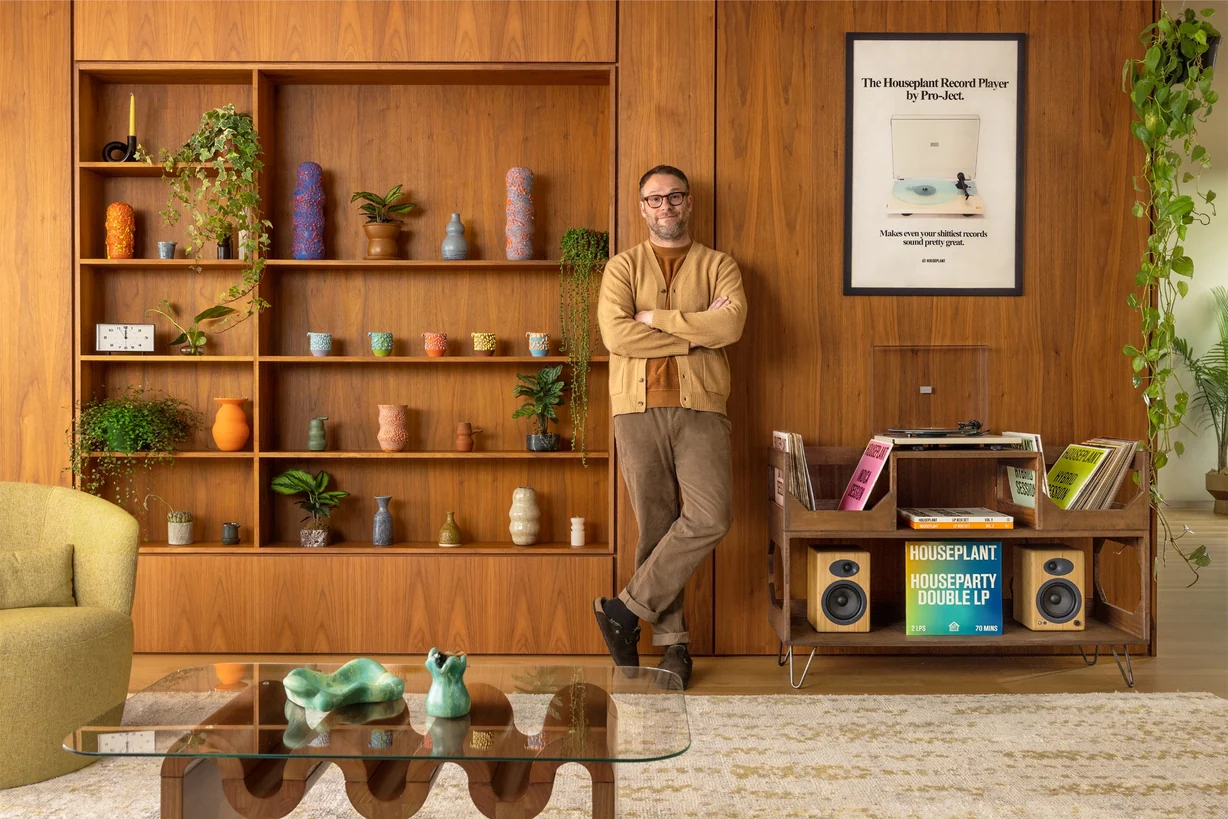
Seth Rogen Built Houseplant for People Who Love Weed — and Nice Things
Bud Rover
Seth Rogen has never exactly hidden his love for weed. With Houseplant, he and longtime creative partner Evan Goldberg turned that passion into a brand built around cannabis, ceramics, design and a better-looking way to smoke.
Seth Rogen has never exactly hidden his love for weed. With Houseplant, he and longtime creative partner Evan Goldberg turned that passion into a brand built around cannabis, ceramics, design and a better-looking way to smoke.
Seth Rogen Didn't Just Put His Name on a Weed Brand
There are celebrity cannabis brands, and then there is Houseplant.
Seth Rogen's relationship with weed has been part of his public image for so long that launching something in the cannabis world probably surprised absolutely nobody. But Houseplant didn't become interesting simply because a famous comedian was attached to it.
Rogen and longtime collaborator Evan Goldberg approached the brand from a different angle: if cannabis has become a normal part of people's homes and lives, why should everything associated with smoking it look like it came from the back shelf of a head shop?
That idea became a huge part of Houseplant's identity.
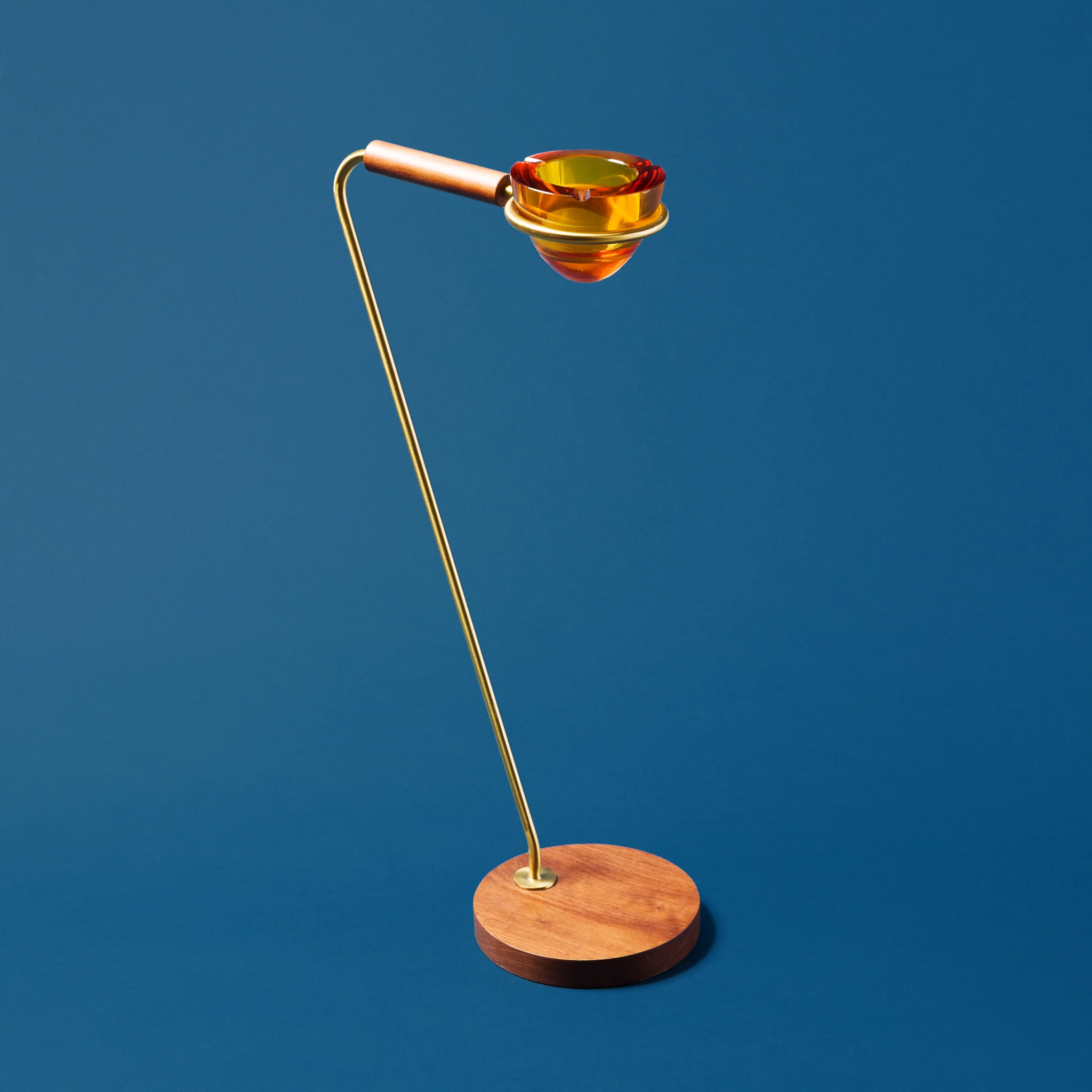
Ashtrays became design pieces. Grinders became objects you could leave sitting on a coffee table. Ceramics, furniture, vinyl, rolling papers and smoking accessories all became part of the same world.
And if you've followed Rogen outside of movies, you've probably seen another piece of the story developing in real time: his obsession with pottery.
What started as a personal hobby eventually became one of the most recognizable parts of the Houseplant aesthetic.
This isn't really a story about a celebrity deciding to sell weed.
It's a story about what happens when someone who genuinely loves cannabis starts asking why cannabis culture can't have nicer stuff.
Houseplant Started With Seth Rogen and Evan Goldberg Wanting Better Stuff for Weed
Houseplant officially launched in Canada in 2019, but the idea behind it had been developing for years.
Seth Rogen and Evan Goldberg had already spent decades working together in film and comedy, and cannabis was never exactly separate from that world. Eventually, the two started thinking beyond movies and toward something they actually wanted to build themselves.
The problem they kept coming back to was pretty simple:
A lot of smoking accessories looked terrible.
You could spend serious money decorating a living room, buying furniture or building out a nice home, then still end up using an ugly plastic grinder, a random rolling tray and an ashtray that looked like it belonged outside a gas station.
Rogen and Goldberg saw room for something better.
Houseplant initially launched in Canada with cannabis products, including flower and pre-rolls. When the company expanded into the United States in 2021, it put much more emphasis on what it called House Goods — smoking accessories and home objects that could be sold beyond individual legal cannabis markets.
That move ended up helping define the brand.
Instead of relying entirely on cannabis products, Houseplant could build a recognizable identity around objects people could actually keep in their homes.
Ashtrays. Lighters. Vinyl. Rolling papers. Grinders. Ceramics. Furniture.
Some of it is practical.
Some of it is weird.
A lot of it looks like something you would find in a design store before you'd ever guess it was created by a weed company.
And that is basically the point.
Houseplant describes its mission as making nice things for people who love weed — objects that treat cannabis with the same attention people already give food, cocktails, coffee, music and interior design.
That separates Houseplant from a lot of celebrity cannabis launches.
The celebrity isn't just sitting on the packaging.
Seth Rogen is visibly involved in the actual aesthetic of the company, especially through ceramics and product design, while Houseplant has built its entire personality around something Rogen and Goldberg clearly understand:
weed culture grew up.

When Seth Rogen Started Making Pottery, Houseplant Found Its Look
One of the things that makes Houseplant feel different is that Seth Rogen's involvement goes way beyond appearing in ads.
He actually designs stuff.
Rogen became heavily interested in ceramics years ago, and that hobby eventually started shaping the visual identity of Houseplant. Instead of treating an ashtray like some disposable smoking accessory, he started looking at it like an object that should be useful, heavy, colorful and good enough to leave sitting out in your house.
That thinking shows up all over the brand.
Houseplant now sells ceramic ashtrays, vases, planters, espresso sets and other home objects designed by Rogen, along with furniture built specifically around how people smoke and hang out.
One of the best examples is the Ashtray Set by Seth.
It includes a deep ceramic ashtray, a saucer and a matching flower vase. Rogen designed the original concept and worked with manufacturers to reproduce it at scale, because obviously he isn't sitting in his garage throwing thousands of ashtrays himself.
Houseplant is actually pretty open about that.
The pieces sold commercially aren't individually handmade by Seth Rogen. They are produced from his designs and specifications.
That distinction matters because the pottery isn't just celebrity branding.
It's where a lot of the ideas actually begin.
Rogen has talked about spending years smoking weed and constantly noticing little problems with the objects around him — ash blowing around, nowhere convenient to rest a joint, ugly accessories sitting in an otherwise nice room.
So he started designing things that fixed those problems.
Then he made them look good.
That combination of function, weed and design is probably the clearest explanation of Houseplant.
The company isn't trying to hide cannabis culture.
It's trying to make cannabis culture worthy of the coffee table.

Houseplant Isn't Trying to Hide the Weed
A lot of cannabis brands try to make weed look less like weed.
Houseplant basically does the opposite.
The company treats cannabis as something that can sit naturally alongside music, furniture, food, art and design without needing to be disguised or dressed up as something else.
That shows up in almost everything Houseplant makes.
There are rolling papers and grinders, but there are also stash tables, standing ashtrays, director's chairs, rugs, ceramics and vinyl releases. Some products are clearly made for smoking. Others just happen to live in the same world.
And Houseplant keeps coming back to one idea:
If cannabis is part of your life, the objects around it should fit your life too.
That approach makes the brand feel more like a lifestyle company than a traditional cannabis company.
Houseplant's current lineup includes everything from simple rolling papers to a $495 Stash Table, which is literally furniture designed with cannabis storage in mind. The company also sells a $295 Standing Ashtray and a growing collection of ceramics and smoking accessories.
The prices also make one thing obvious.
Houseplant isn't trying to be the cheapest option.
It's selling design.
A basic ashtray can do the same technical job as one of Seth Rogen's ceramic pieces. A cheap grinder will still grind flower. Any table can hold a stash box.
But that isn't really what Houseplant is competing on.
The brand is betting that some cannabis consumers want the same thing they want from sneakers, furniture, cookware or audio equipment:
something functional that also feels good to own.
That is a pretty big shift from the way smoking accessories were marketed for decades.
And it helps explain why Houseplant has been able to build an identity that extends well beyond whatever cannabis products may be available in a specific legal market.
The weed is still at the center of the brand.
Houseplant just believes the rest of the room should look good too.
The Weed Was Never an Afterthought
For all the attention Houseplant gets for pottery and home design, the brand originally started with something much simpler:
Seth Rogen and Evan Goldberg wanted to sell weed they actually wanted to smoke.
When Houseplant entered the California market in 2021, the launch centered around three premium flower strains: Pancake Ice, Diablo Wind and Pink Moon.
Rogen and Goldberg reportedly worked through hundreds of options before choosing the strains they wanted associated with the brand.
Even the names had a system.
Houseplant's early strains were named after weather phenomena, giving the cannabis lineup its own identity instead of simply attaching Seth Rogen's face to existing strain names.
Pancake Ice and Diablo Wind launched as sativa-leaning options, while Pink Moon represented the indica side of the lineup.
And the packaging looked nothing like a traditional weed bag.
Houseplant used colorful, stackable containers that looked closer to something you'd find in a specialty tea shop or record store than the typical dispensary shelf.
That was intentional.
The cannabis and the design were supposed to feel like parts of the same thing.
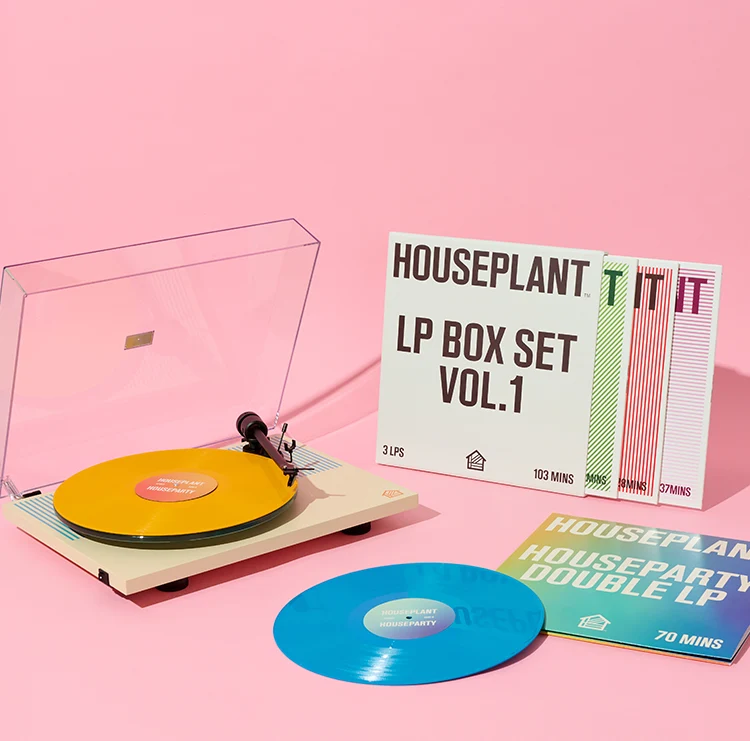
Houseplant even released a vinyl box set with playlists curated by Rogen and Goldberg around different cannabis moods — taking the idea of choosing a strain and turning it into an entire smoking session.
That might sound excessive.
But it explains the brand better than almost anything else.
Houseplant wasn't trying to sell people the idea that Seth Rogen smokes weed.
Everybody already knew that.
It was trying to build a world around how he likes to smoke it.
And that's a much harder thing for another celebrity brand to copy.
Houseplant Treats Music Like Part of the Smoke Session
Houseplant's obsession with cannabis doesn't stop at flower, ashtrays or furniture.
It also shows up in music.
Seth Rogen and Evan Goldberg have talked openly about how often weed and vinyl are part of their creative process. When they're writing together, they smoke, put records on and let the music become part of the environment.
So naturally, Houseplant turned that into products too.
The company has released multiple vinyl collections curated by Seth and Evan, with tracks selected around a specific mood or kind of smoking session.
Not a random celebrity playlist.
Actual records.
Houseplant currently sells several vinyl releases, including multiple Vinyl Box Sets and its Houseparty Double LP, all built around the idea that music can shape the vibe just as much as what you're smoking.
That sounds like a small detail, but it tells you a lot about the company.
Houseplant isn't really selling one product category.
It's selling a ritual.
Pick something to smoke.
Put on a record.
Use an ashtray you actually like looking at.
Sit somewhere comfortable.
Hang out.
That is the world Houseplant keeps trying to build.
And it makes sense coming from Rogen and Goldberg, because they don't really talk about weed like something that exists separately from the rest of their lives.
It's connected to writing.
Movies.
Music.
Food.
Friends.
Design.
Creativity.
Houseplant simply turned all of those pieces into one brand.
That might be the smartest thing about it.
Instead of asking, "How many cannabis products can we put Seth Rogen's name on?"
Houseplant seems much more interested in asking:
"What makes smoking weed more enjoyable?"
Then it builds around the answer.
Houseplant Became Bigger Than Just Flower
The interesting thing about Houseplant today is that the brand is no longer defined only by the weed it launched with.
In fact, if you visit Houseplant now, the first thing you notice is how much the company has expanded into home goods, furniture, smoking accessories, ceramics, rugs, scent products and collaborations.
That tells you where the brand found its strongest identity.
Houseplant still revolves around cannabis culture, but it doesn't need every product to contain cannabis.
That gives the company a lot more room to grow.
A ceramic ashtray can be sold almost anywhere.
So can a grinder.
Or a stash table.
Or a director's chair.
Or one of Seth Rogen's weird, colorful vases.
That matters in an industry where actual cannabis products are still regulated differently from one state to another.
Houseplant can build a national audience around the culture of smoking even when the cannabis itself can't simply be shipped across the country.
And the catalog keeps getting broader.
Houseplant's current lineup includes the $495 Stash Table, a $295 Standing Ashtray, glass grinders, rolling papers, ceramic pieces designed by Seth, incense, bags, furniture and other objects that would make absolutely no sense coming from a traditional weed brand.
For Houseplant, they make perfect sense.
Because somewhere along the way, Seth Rogen and Evan Goldberg stopped building just a cannabis company.
They built a design brand for people who happen to really like weed.
That's probably why Houseplant has lasted longer than the initial celebrity-launch hype cycle.
The brand doesn't need Seth Rogen's face printed on everything.
At this point, the products themselves look like Houseplant.
Why Houseplant Works When So Many Celebrity Brands Don't
Celebrity brands usually have one big advantage:
attention.
The problem is that attention doesn't automatically create a good company.
Consumers can usually tell when a famous person's involvement begins and ends with a photo shoot, a signature on the packaging and a launch-day Instagram post.
Houseplant doesn't feel like that.
Seth Rogen's fingerprints are all over it.
Not literally — unless you're buying one of his handmade ceramics — but creatively.
The colors are weird.
The products are playful.
The design choices are specific.
The ceramics actually connect to something Rogen does in his personal life.
The vinyl connects to the way he and Evan Goldberg work.
The smoking accessories come from problems they say they noticed while smoking themselves.
Even the furniture feels like something designed by people who have spent a lot of time sitting around getting high with friends.
That's what makes the brand believable.
Houseplant isn't successful because Seth Rogen convinced people he likes cannabis.
Nobody needed convincing.
It works because the company took that credibility and turned it into an actual point of view.
There is also a sense of humor running through the whole thing.
Houseplant can sell a serious piece of furniture for hundreds of dollars and still feel like it understands how ridiculous weed culture can be.
That balance is hard to fake.
Too polished, and a cannabis brand starts feeling like a luxury skincare company that accidentally discovered THC.
Too stereotypically "stoner," and it can feel stuck twenty years in the past.
Houseplant sits somewhere in the middle.
Nice enough to leave on the coffee table.
Still weird enough to feel like weed.
And in a category packed with celebrity names, that might be its biggest advantage:
Houseplant actually feels like Seth Rogen made it.
What Houseplant Says About Where Cannabis Culture Is Going
Houseplant is also interesting because it reflects a bigger change in cannabis culture.
For a long time, weed products were either hidden away or marketed with the same tired visual language: blacked-out packaging, neon colors, cartoon graphics and obvious stoner clichés.
That is changing.
Cannabis is becoming more integrated into everyday lifestyle categories, and Houseplant fits directly into that shift.
The company treats a grinder like kitchenware.
An ashtray like home decor.
A stash table like actual furniture.
That may sound simple, but it represents a much bigger idea:
cannabis doesn't have to live in a separate visual world anymore.
People who care about how their home looks don't stop caring once they light a joint.
People who buy nice cookware, speakers, furniture or coffee gear may want the same level of design from the objects they use around cannabis.
Houseplant understood that early.
And while not everyone is going to spend hundreds of dollars on a smoking accessory or piece of cannabis-friendly furniture, the larger idea has already spread well beyond one brand.
The modern cannabis consumer has more choices than ever.
That means brands can't rely only on THC percentage, celebrity recognition or loud packaging.
They need an identity.
A point of view.
A reason for people to remember them.
Houseplant's answer is design, humor, music and an unapologetic love of weed.
Whether someone buys a $20 accessory or a $500 table, the message is basically the same:
cannabis can be part of a well-designed life without pretending it isn't cannabis.
That idea might end up being more influential than any single strain Houseplant ever releases.
The Bud Rover Take
Houseplant works because it never feels like Seth Rogen is pretending to be somebody else.
The brand is basically an extension of things he already cared about:
weed.
Pottery.
Music.
Design.
Hanging out with friends.
And making ordinary smoking gear a little less ugly.
That authenticity is what separates Houseplant from a lot of celebrity cannabis companies that disappear as quickly as they launch.
It also makes the brand worth paying attention to even if you never buy one of its products.
Houseplant represents where a big part of cannabis culture is headed.
Less hiding.
Less cheesy stoner branding.
More attention to quality, design and the entire experience around cannabis.
For Florida patients, that same shift is happening inside dispensaries too.
There are more brands, more product choices and more ways to shop than ever before. The hard part isn't finding cannabis anymore.
It's figuring out what is actually worth your money.
That's where we come in.
At Bud Rover, we track dispensaries, current deals and local options across Florida so you can spend less time bouncing between menus and more time finding something worth bringing home.
Seth Rogen built Houseplant around one simple idea:
people who love weed deserve better stuff.
We can get behind that.
And if the ashtray happens to look good on the coffee table too?
Even better.
Quick Houseplant FAQ
Is Houseplant really Seth Rogen's company?
Yes. Seth Rogen and Evan Goldberg co-founded Houseplant, bringing their longtime creative partnership into cannabis culture, smoking accessories and home design.
Does Seth Rogen actually design Houseplant products?
Yes.
Rogen personally develops designs for a number of Houseplant's ceramic pieces and smoking accessories. The versions sold through Houseplant are commercially manufactured to his specifications rather than individually handmade by Rogen.
Why does Houseplant make so many ashtrays?
Because Seth and Evan are legitimately obsessed with them.
Houseplant says years of smoking made them pay attention to what makes an ashtray actually work — where the ash goes, how easy it is to clean, where a joint rests and whether the thing looks good sitting in your house.
After Rogen became obsessed with ceramics, ashtrays naturally became one of Houseplant's signature products.
Who is Evan Goldberg?
Evan Goldberg is Seth Rogen's longtime writing, producing and directing partner.
The two have worked together on projects including Superbad, Pineapple Express and This Is the End, and eventually brought that same partnership into Houseplant.
Is Houseplant only a cannabis brand?
Not anymore.
Houseplant has developed into a much broader cannabis lifestyle and design company, with smoking accessories, ceramics, furniture, rolling papers, vinyl, rugs and other home goods all built around cannabis culture.
What's the whole idea behind Houseplant?
Make smoking better.
Not by pretending weed is something it isn't, but by making the things surrounding it more functional, better designed and actually worth leaving out in your home.
That's Houseplant in a nutshell:
nice things for people who really like weed.
Continue Exploring BudRover
Getting Started
Find Local Businesses
See Today's Florida Deals →
Compare current dispensary deals in your area on Bud Rover.
See Today's Florida Deals